Get Tree Shaping Service
Tree Shaping Service providers help property owners with projects like shaping, pruning, and integrating trees into structures to solve safety, aesthetic, and space-utilization problems.
Tree shaping services offer a practical solution for property owners interested in enhancing their outdoor spaces. Whether aiming to create functional structures, improve landscape aesthetics, or manage tree growth more effectively, local contractors can provide tailored solutions to meet these needs. Exploring tree shaping options can also contribute to sustainable land use and add unique character to a property, making it a worthwhile consideration for those planning landscape projects.
For property owners in the area, comparing different local service providers ensures access to experienced professionals who understand regional conditions and specific project requirements. Evaluating available options can help identify the right fit for your goals, whether for artistic tree work, structural design, or land management. Continuing to explore the choices available can assist in making informed decisions about how to best incorporate tree shaping into your property plans.
- Tree Sculpting - when a property owner wants artistic shaping or pruning of their trees for aesthetic or functional purposes.
- Living Fences - when someone needs to create natural privacy screens or borders using trained trees.
- Architectural Tree Work - for projects involving integrated tree structures in building designs or landscape features.
- Tree Training and Shaping - when clients seek to develop specific forms or growth patterns in their trees for visual or practical reasons.
- Custom Tree Installations - for unique landscape projects that incorporate shaped or modified trees as focal points or functional elements.
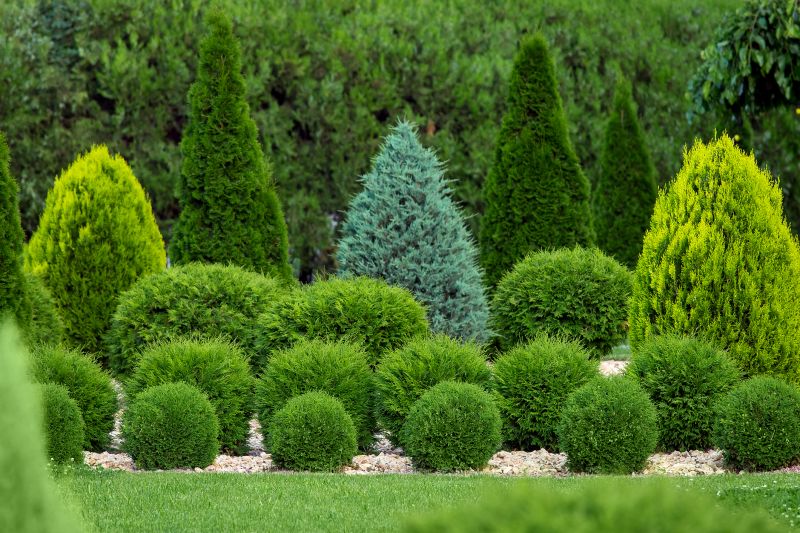
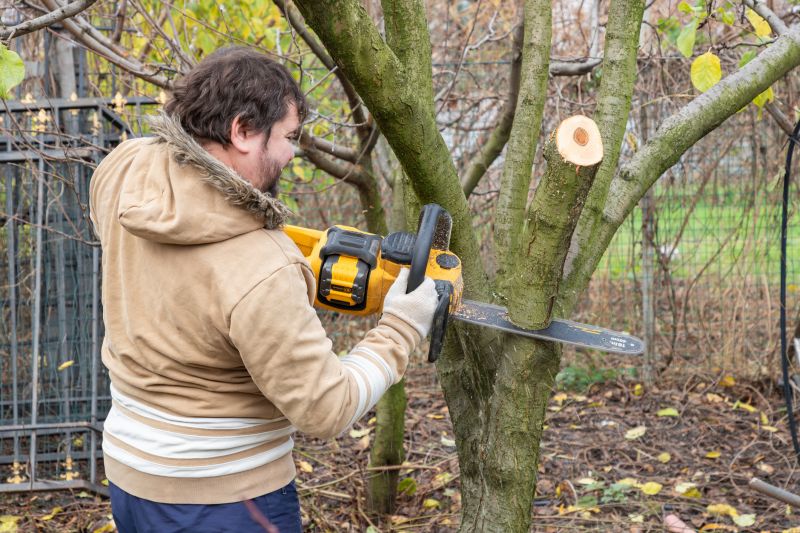
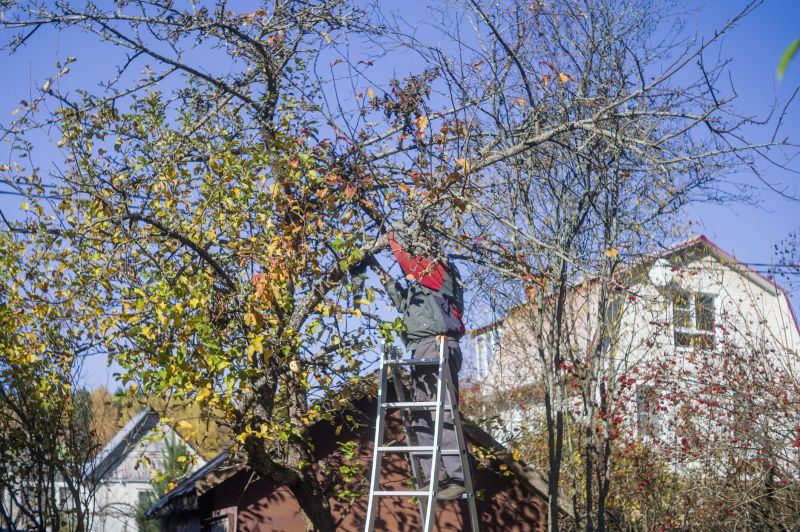
Tree shaping services involve the careful training and guiding of trees and shrubs to grow in specific forms or structures. This process typically includes pruning, wiring, and supporting branches to encourage desired shapes, whether for aesthetic appeal or functional purposes. Professionals skilled in tree shaping work with existing greenery to create living sculptures, functional furniture, or architectural features that blend seamlessly with the property’s landscape. This service can enhance the visual appeal of a yard while also adding unique, natural elements to outdoor spaces.
One common reason homeowners seek tree shaping services is to address overgrown or unruly trees that may pose safety risks or hinder property use. For example, trees with heavy or uneven branches can threaten nearby structures or power lines, especially during storms or high winds. Shaping and pruning help reduce these hazards by removing weak or problematic branches and guiding growth in a safer, more controlled manner. Additionally, tree shaping can be used to correct irregular growth patterns, improve tree health, and prevent future damage caused by poorly maintained trees.
Properties that often benefit from tree shaping include residential yards, commercial landscapes, and public parks. Homeowners who want to customize the appearance of their gardens or create functional outdoor features, like shaded seating areas or living fences, frequently seek this service. Commercial property managers may use tree shaping to maintain a professional and inviting environment, while public spaces can utilize it for artistic or community-enhancing purposes. This service is suitable for a variety of property types where aesthetic appeal and safety are priorities.
Local contractors offering tree shaping services are equipped to handle different property needs, whether shaping a single tree or managing multiple specimens across a large landscape. They can assess the condition of existing trees, recommend appropriate shaping techniques, and execute the work efficiently. Homeowners considering this service should look for experienced professionals who understand tree biology and structural growth patterns. Contacting local service providers can help determine the best approach to improve safety, appearance, and functionality of outdoor spaces through expert tree shaping.
The overview below groups typical Tree Shaping Service projects into broad ranges so you can see how smaller, mid-sized, and larger jobs often compare in your area.
In many markets, a large share of routine jobs stays in the lower and middle ranges, while only a smaller percentage of projects moves into the highest bands when the work is more complex or site conditions are harder than average.
Smaller Tree Shaping Jobs - Typical costs range from $250 to $600 for routine shaping or pruning tasks on smaller trees. Many projects in this category are straightforward and fall within this middle range. Fewer jobs push into the higher end, which may involve more detailed work or larger trees.
Medium-Scale Tree Shaping - For more extensive shaping or training of medium-sized trees, costs generally fall between $600 and $1,500. These projects often involve multiple sessions or complex designs handled by local contractors. Larger or more intricate projects can exceed this range but are less common.
Large Tree Shaping Projects - Larger, more complex shaping projects on mature or large trees typically cost between $1,500 and $4,000. Many jobs in this range involve detailed artistry or significant structural work, with fewer projects reaching beyond $4,000.
Full Tree Transformation or Replacement - Complete reshaping or replacement of a tree can range from $4,000 to $10,000+ depending on size and complexity. These high-end projects are less frequent and often involve specialized service providers capable of handling substantial work.
Actual totals will depend on details like access to the work area, the scope of the project, and the materials selected, so use these as general starting points rather than exact figures.
Topiary Art - skilled contractors shape shrubs and small trees into decorative forms, requiring precision and planning similar to tree shaping projects.
Living Fence Construction - local service providers build living fences using trained trees and plants, involving planning and plant training techniques akin to tree shaping.
Arboricultural Design - professionals design and manipulate tree growth for aesthetic or functional purposes, utilizing skills related to shaping and training trees.
Garden Arbor Building - creating structures like arbors and pergolas involves planning and working with living wood, similar to shaping trees for artistic or structural purposes.
Bonsai Tree Cultivation - cultivating and training miniature trees requires detailed planning and skillful pruning, paralleling the techniques used in tree shaping.
Woodland Sculpture Projects - transforming live trees into artistic sculptures involves planning, shaping, and training similar to tree shaping services.
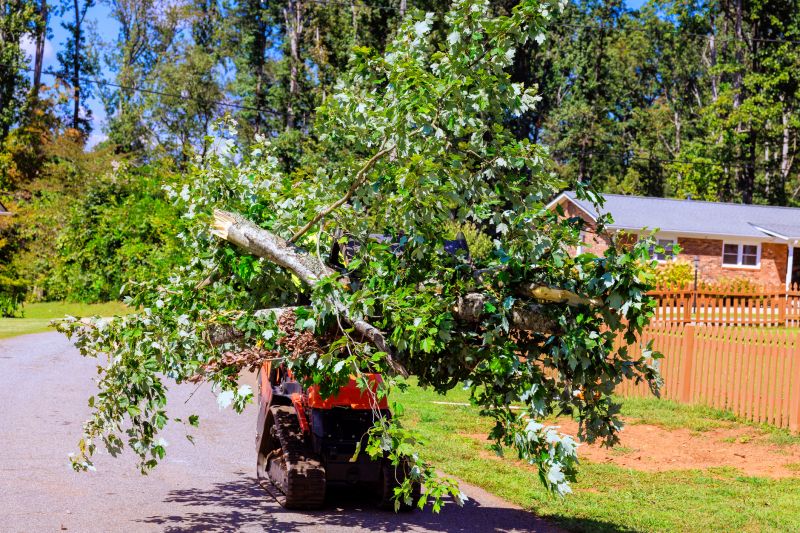
When evaluating potential service providers for tree shaping, it’s important to consider their experience with similar projects. Homeowners should inquire about how long the contractor has been working in the field and whether they have handled projects comparable in scope and complexity. A contractor with relevant experience is more likely to understand the nuances of the work and deliver results that meet expectations. Checking for a history of completed projects similar to the desired outcome can help ensure that the service provider has the practical knowledge necessary for successful execution.
Clear, written expectations are essential to a smooth working relationship. Homeowners should seek service providers who can provide detailed descriptions of the services offered, including the scope of work, materials used, and any specific procedures involved. Having these details in writing helps prevent misunderstandings and provides a reference point throughout the project. It’s also beneficial to discuss and document any questions or concerns beforehand, ensuring that both parties are aligned on what the project entails and what the final outcome should be.
Reputable references and good communication are key indicators of a reliable local contractor. Homeowners can ask for references from previous clients to gain insight into the contractor’s professionalism, work quality, and ability to meet deadlines. Additionally, a service provider who communicates clearly and promptly demonstrates professionalism and respect for the client’s needs. Effective communication ensures that questions are answered, expectations are managed, and any issues that arise can be addressed efficiently. Remember, these local options are introduced to help connect with qualified service providers, not to perform the work directly.
Property owners use Tree Shaping Service services for practical projects around their homes and businesses. This guide focuses on everyday jobs and straightforward project options.
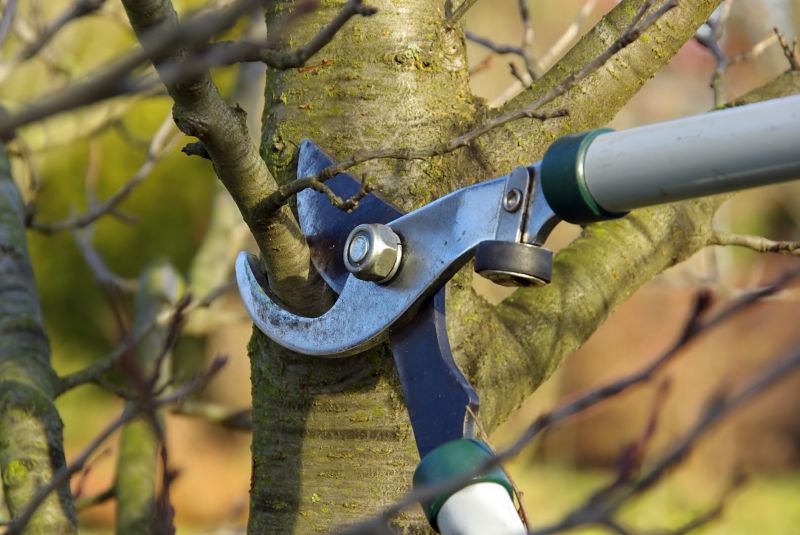
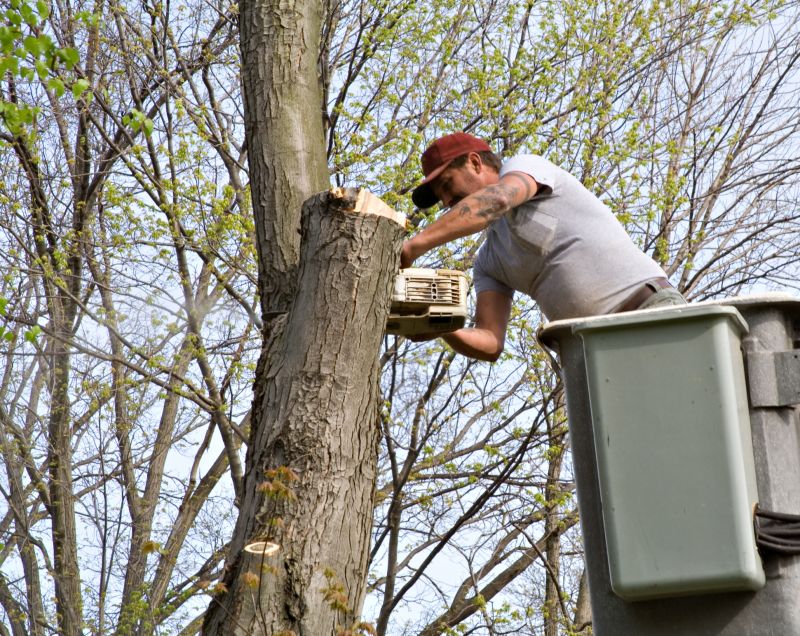
Tree shaping services are often sought after by property owners dealing with overgrown or unsightly trees that impact curb appeal or safety. Whether a tree has become too large for its space, shows signs of damage, or simply needs aesthetic enhancement, local contractors can provide trimming, pruning, or shaping to improve the overall appearance and health of the landscape. These services help maintain a balanced and attractive yard, making outdoor spaces more enjoyable and visually appealing.
In addition, property owners may look for tree shaping work to prevent potential hazards such as falling branches or compromised tree stability. Regular shaping and maintenance can also promote healthier growth and extend the lifespan of trees. Local service providers are equipped to handle a variety of project situations, from routine upkeep to more involved shaping projects, ensuring that trees enhance the property's value and safety.
What is tree shaping service? Tree shaping service involves trained contractors sculpting and training trees into desired forms or structures for aesthetic or functional purposes.
How can tree shaping enhance outdoor spaces? Tree shaping can add unique visual appeal, create natural privacy screens, or develop functional structures like benches or arches in outdoor areas.
What types of trees are suitable for shaping? Many types of trees, including certain hardwoods and fast-growing species, can be shaped, but a local contractor can recommend the best options for specific projects.
Is tree shaping safe for the health of the tree? When performed by experienced service providers, tree shaping is done carefully to promote the tree’s health and structural stability.
How do I find local contractors for tree shaping services? This website can help connect with local service providers who specialize in tree shaping and related arboricultural services.
Garden Design and Aesthetic Enhancement - Tree shaping services can transform overgrown or unruly trees into artistic features that enhance curb appeal.
Shade and Privacy Solutions - Property owners may use tree shaping to create natural shade or privacy screens around patios and outdoor living areas.
Functional Structures and Edible Landscapes - Local contractors can help shape trees into functional structures like arches or support for climbing plants.
Erosion Control and Land Stabilization - Tree shaping can be employed to reinforce slopes or prevent soil erosion in landscaped areas.
If you are thinking about Tree Shaping Service for a property, this guide is meant to help you understand the work, the typical project types, and how different options might fit your plans.
When you are ready, you can use the quote form on this page to share a few details about your project. From there, local pros can review the basics and respond with options that match what you have in mind.